Nikon Monarch M5 8x42
ED glass and dielectric coatings for cleaner color.
- ED glass
- 6.4° view
- Waterproof
Short version: the Nikon Monarch M5 is worth the step up if you bird often, because its ED glass reduces color fringing and looks cleaner in tough light. The Celestron Nature DX is the better buy for beginners and casual use, with a wider 7.4° view and closer focus.
Both are waterproof, fog-proof 8x42 roof prisms. Nikon Monarch M5: ED lenses, dielectric prism coating, 6.4° field of view, 8.2 ft close focus. Celestron Nature DX: BaK-4 phase-coated prisms, 7.4° field of view, 6.5 ft close focus.
Based on Cornell Lab of Ornithology · Nikon Monarch M5 · Celestron Nature DX +1 more
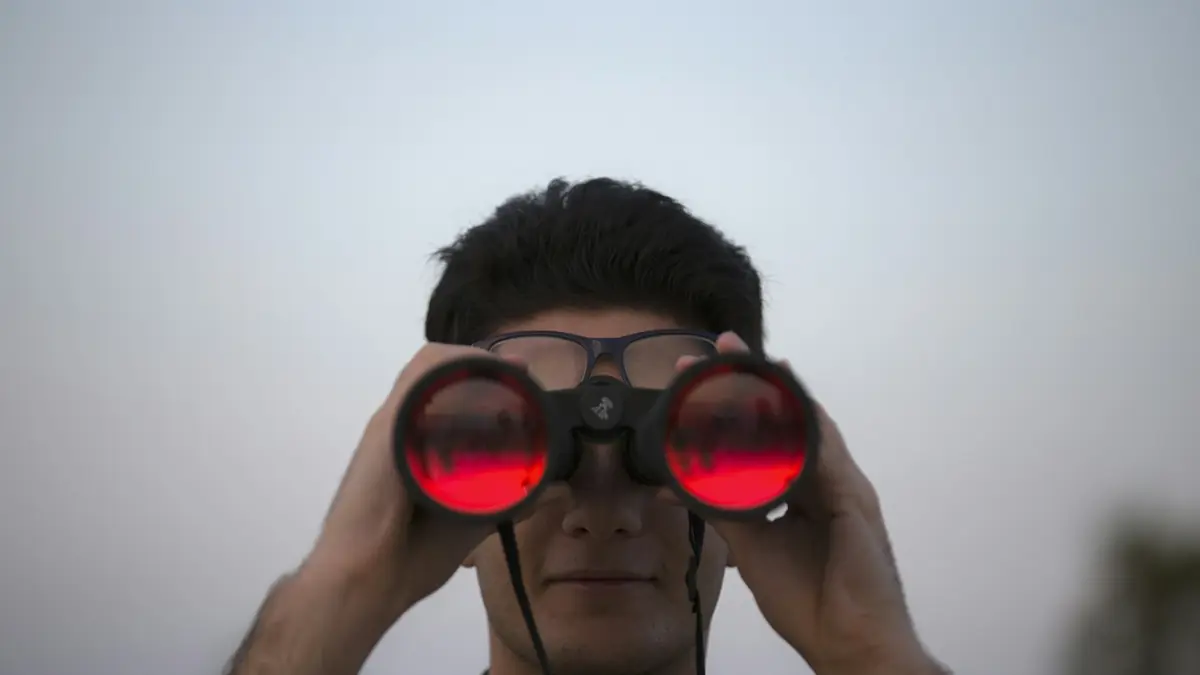
ED glass and dielectric coatings for cleaner color.
BaK-4 prisms, wide 7.4° view, 6.5 ft close focus.
We don't list prices because they change daily; Amazon shows the current price and stock when you click. We earn a commission on purchases, which never decides a pick. How we choose.
Swipe the table sideways to see both →
| Spec | Best step upNikon Monarch M5 8x42 | Best for beginnersCelestron Nature DX 8x42 |
|---|---|---|
| Magnification | 8x | 8x |
| Glass | ED, dielectric prism coating | BaK-4, phase coated |
| Field of view | 6.4° (335 ft at 1,000 yd) | 7.4° |
| Close focus | 8.2 ft | 6.5 ft |
| Weatherproofing | Waterproof, fog-proof | Waterproof, fog-proof |
| Best for | Most birders | Beginners |
| Price & stock | Check price | Check price |
ED glass reduces the purple and green fringing you see around a dark bird against a bright sky, and dielectric prism coatings keep the image bright.
The trade-offs on paper: a narrower 6.4° view and 8.2 ft close focus versus the Celestron. In use, image quality is the reason to pay more.
The Nature DX gets the fundamentals right, and its wide 7.4° view makes it easier for beginners to find a bird quickly.
Focus down to about 6.5 ft also suits butterflies and garden birds. It falls behind ED glass at the edges and in low light.
If you don’t yet know how often you’ll use them, start with the Nature DX. Upgrade when you notice what it can’t do.
Weekly birding favors the M5; occasional use favors the Nature DX.
Dawn, dusk and forest shade reward better glass.
The Nature DX is wider (7.4° vs 6.4°).
Nature DX 6.5 ft vs Monarch M5 8.2 ft.
Optically, yes, thanks to ED glass. The Nature DX has a wider view and closer focus and costs less.
Yes. The Cornell Lab recommends 8x as a good all-round magnification; 42 mm lenses gather plenty of light.
It reduces color fringing around high-contrast edges and makes colors look cleaner.
Yes, both are waterproof and fog-proof.
We compared manufacturer specifications and the Cornell Lab of Ornithology’s buying guidance, as of October 2026.
We have not hands-on tested these products; we compare published specifications, independent measurements and manufacturer documentation, and we update this page when models change. Read the full methodology.