Nikon Monarch M5 8x42
ED glass, a wide field of view and a waterproof body at a mid-range price.
- 8x42
- ED glass
- Waterproof
Best binoculars for birding: Nikon Monarch M5 8x42. Why it wins: ED glass, a wide field of view and a waterproof body at a mid-range price. Also see best budget: Celestron Nature DX 8x42; best premium: Vortex Viper HD 8x42.
For most birders the Nikon Monarch M5 8x42 is the pair to get: ED glass for sharper, cleaner color, a wide view and a waterproof, fog-proof body. The Celestron Nature DX 8x42 is the best budget pair, and the Vortex Viper HD 8x42 is a step up in brightness with a famously generous warranty.
Based on Cornell Lab of Ornithology · Nikon Monarch M5 · Celestron Nature DX +1 more
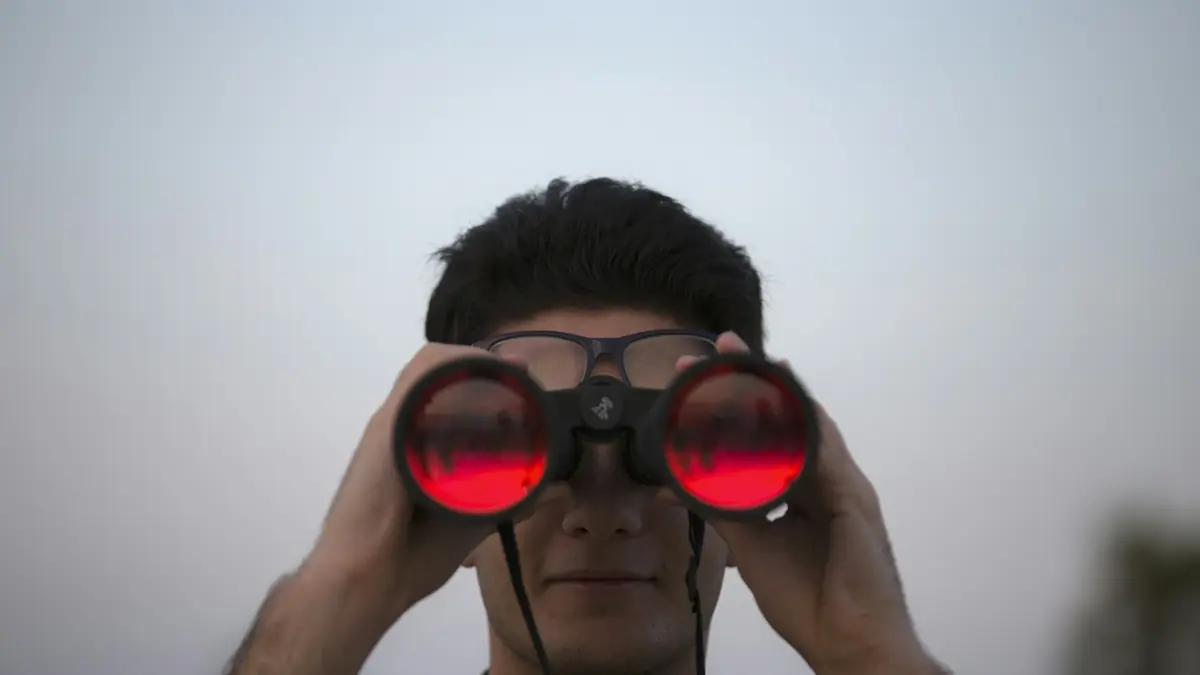
ED glass, a wide field of view and a waterproof body at a mid-range price.
BaK-4 prisms, phase coating and a 7.4° field of view for a starter price.
Brighter, crisper HD glass and Vortex’s unconditional VIP warranty.
We don't list prices because they change daily; Amazon shows the current price and stock when you click. We earn a commission on purchases, which never decides a pick. How we choose.
Swipe the table sideways to see all three →
| Spec | Best overallNikon Monarch M5 8x42 | Best budgetCelestron Nature DX 8x42 | Best premiumVortex Viper HD 8x42 |
|---|---|---|---|
| Magnification | 8x | 8x | 8x |
| Glass | ED, dielectric prism coating | BaK-4, phase coated | HD, XR coatings |
| Field of view | Wide (see specs) | 7.4° | Wide |
| Close focus | About 8 ft | 6.5 ft | About 5 ft |
| Weatherproofing | Waterproof, fog-proof | Waterproof, fog-proof | Waterproof, fog-proof, ArmorTek |
| Best for | Most birders | Beginners | Serious birders |
| Price & stock | Check price | Check price | Check price |
Extra-low dispersion (ED) glass reduces color fringing around high-contrast edges like a bird against a bright sky, and makes colors look cleaner.
At 8x42 you get a steady, bright image with a wide view for finding birds quickly. Nikon’s Monarch line is a long-standing favorite for birders moving past entry-level optics.
The Nature DX gets the fundamentals right: BaK-4 prisms, phase-coated optics, a wide 7.4° view and a close focus of about 6.5 feet for butterflies and nearby birds.
Image quality falls behind ED-glass pairs at the edges and in low light, but it is a real birding binocular, not a toy.
The Viper HD steps up to HD glass and premium coatings for a brighter, crisper image in early morning and forest shade, when birds are most active.
Vortex’s VIP warranty is unconditional and transferable, which takes the worry out of a bigger purchase.
8x gives a steadier, wider view than 10x. The 42 mm objective gathers enough light for shade and dusk.
Reduces color fringing and improves sharpness, the most visible upgrade above entry level.
Glasses wearers need about 15 mm or more of eye relief to see the full view.
Waterproof, nitrogen- or argon-filled bodies won’t fog inside.
8x42 for most people: wider, steadier and brighter. 10x helps for distant waterfowl and raptors if you have steady hands.
8 times magnification and 42 mm objective lenses.
Not to enjoy birding, but it’s the most visible upgrade in sharpness and color.
Roof prisms are slimmer and easier to waterproof; good porros can offer great value.
Blow off grit first, then use a lens brush and lens cloth. Never wipe sand across the glass.
Eye relief is how far from the eyepiece your eye can be and still see the full view. Glasses hold your eyes farther back, so eyeglass wearers usually want about 15 mm or more and should twist the eyecups down.
We compared configuration, glass and coatings, field of view, close focus, weatherproofing and warranty from manufacturer specifications, and birding guidance from the Cornell Lab of Ornithology and Audubon.
We have not hands-on tested these products; we compare published specifications, independent measurements and manufacturer documentation, and we update this page when models change. Read the full methodology.